Gas Line Relocation in Annapolis, MD
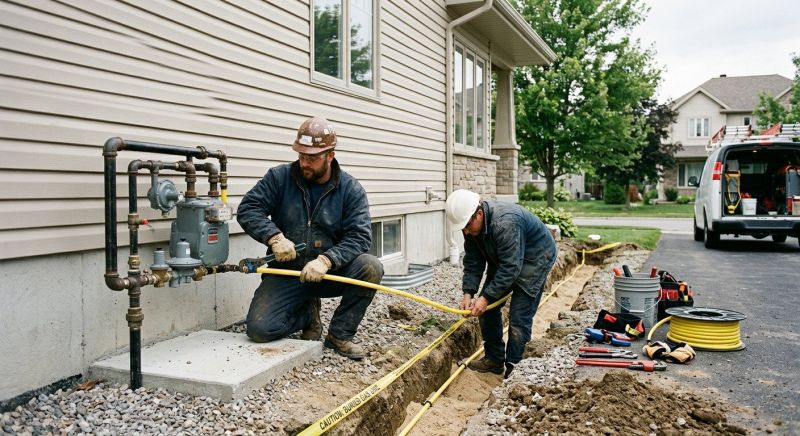
Gas line relocation services involve safely moving existing gas lines to new locations on a property to accommodate renovations, expansions, or new installations. This type of project covers a variety of situations, such as rerouting lines for kitchen remodels, adding new appliances, or adjusting the gas supply during home renovations. Property owners typically want to understand the scope of work involved, any potential disruptions, and the necessary permits or approvals before proceeding with a gas line move.
Homeowners considering gas line relocation should be aware that proper planning and adherence to safety standards are essential. It’s important to evaluate the existing gas infrastructure, identify the new desired location, and discuss any potential impacts on utility access or property layout. Clarifying these details beforehand helps ensure the project meets safety requirements and aligns with the overall property design.
Many property owners in Annapolis, MD look into Gas Line Relocation for repairs, replacements, upgrades, and appearance-related improvements.
Reasons For Gas Line Relocation
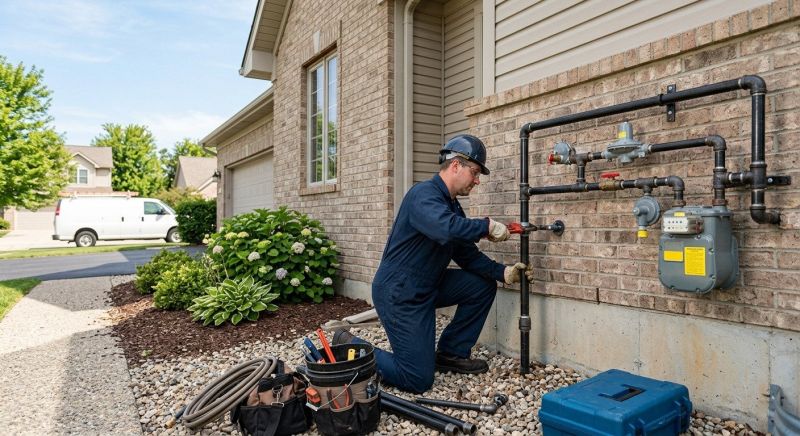
Gas line relocation may be needed for home renovations, additions, or safety improvements.
Key Considerations
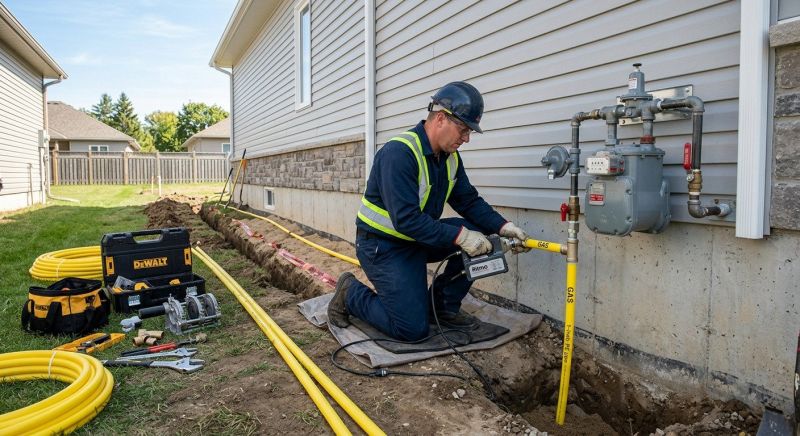
Proper planning and adherence to safety codes are essential for a successful gas line relocation project.
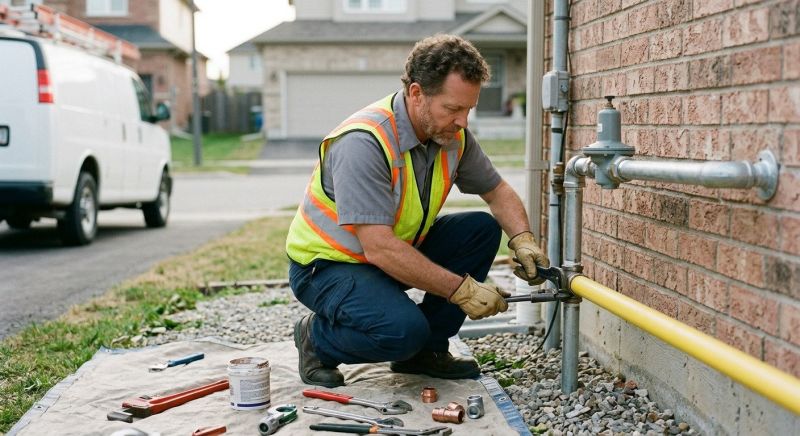
Common Project Types
Residential properties in annapolis often require gas line rerouting for new kitchens, outdoor setups, or property expansions.
Gas Line Relocation in Annapolis, MD
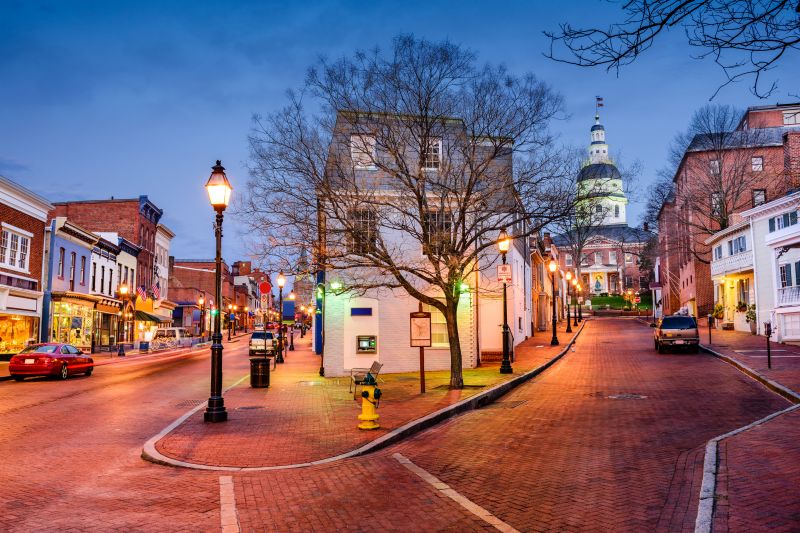
Gas line relocation services involve safely moving existing gas lines to new locations on a property to accommodate renovations, expansions, or new installations. This type of project covers a variety of situations, such as rerouting lines for kitchen remodels, adding new appliances, or adjusting the gas supply during home renovations. Property owners typically want to understand the scope of work involved, any potential disruptions, and the necessary permits or approvals before proceeding with a gas line move.
Homeowners considering gas line relocation should be aware that proper planning and adherence to safety standards are essential. It’s important to evaluate the existing gas infrastructure, identify the new desired location, and discuss any potential impacts on utility access or property layout. Clarifying these details beforehand helps ensure the project meets safety requirements and aligns with the overall property design.
Many property owners in Annapolis, MD look into Gas Line Relocation for repairs, replacements, upgrades, and appearance-related improvements.
Common Gas Line Relocation Jobs
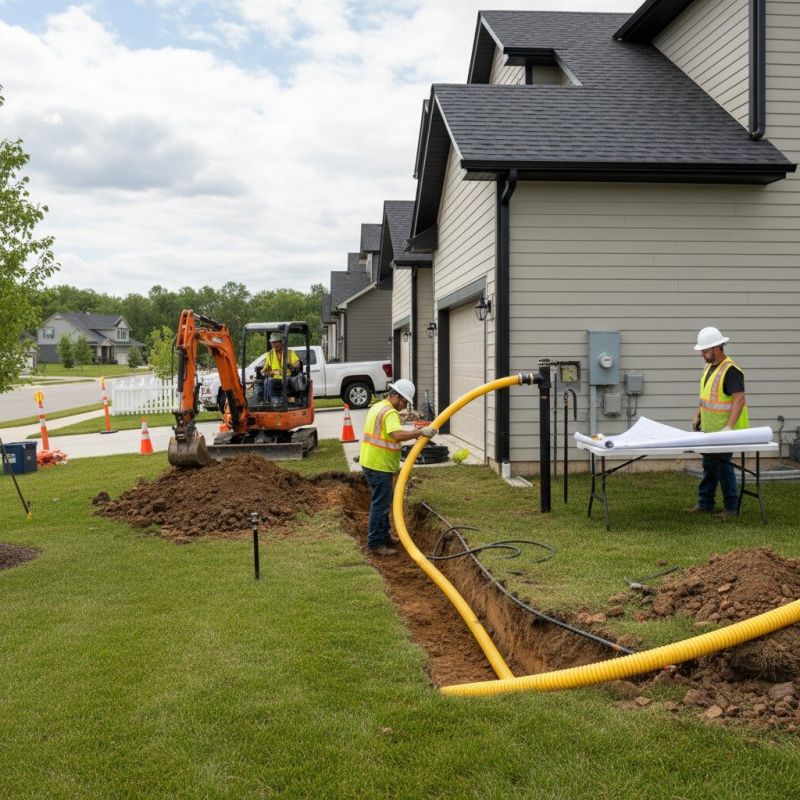
Gas line relocation involves safely moving existing gas lines to accommodate home renovations or additions.
Kitchen remodels often require rerouting gas lines to new stove or appliance locations.
Outdoor projects include relocating gas lines for outdoor kitchens, grills, or fire pits.
Property upgrades may involve shifting gas lines to improve access or meet new layout plans.
Foundation work can necessitate moving gas lines to prevent damage during construction.
Emergency repairs address urgent gas line issues that require rerouting or replacement.
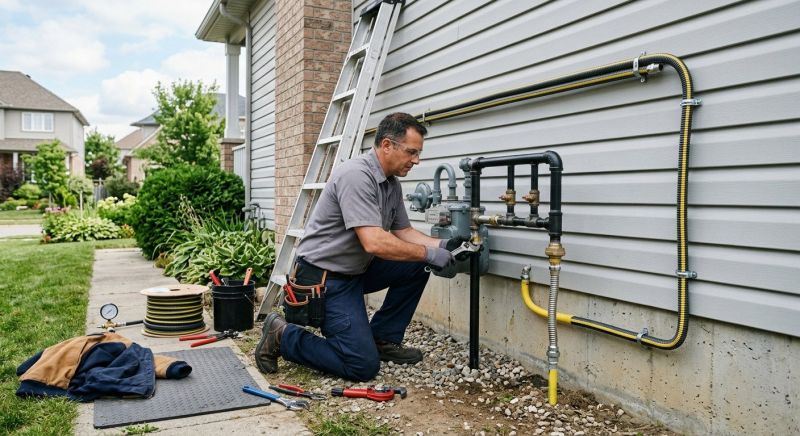
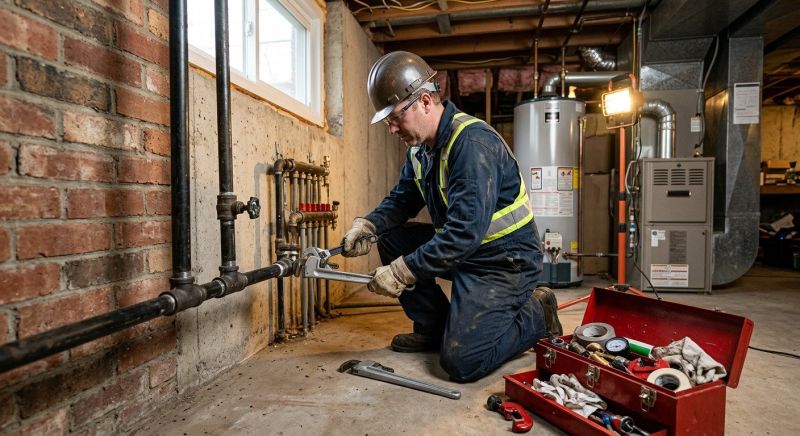
Gas Line Relocation Questions
What is gas line relocation? Gas line relocation involves moving existing gas lines to a different area of a property to accommodate renovations, new construction, or safety improvements.
When is gas line relocation needed? This service is often requested during home additions, kitchen remodels, or when installing new appliances that require a different gas connection.
Are there safety concerns with relocating gas lines? Proper procedures and adherence to safety standards are essential to ensure safe relocation and prevent leaks or other hazards.
What property types can benefit from gas line relocation? Residential homes, commercial buildings, and rental properties can all require gas line adjustments for various projects or upgrades.
Request Gas Line Relocation in Annapolis, MD
Use the quote form on this page to share the basics of your project and request more information for the type of work you need.